
The short answer
The atlas holds a card for the parks Americans call their best idea — and for many of the landscapes that carry the same weight in Australia. The ten below are the ones collectors reach for first: each shows a real, recognizable park, and each links to the place page where the card and its neighbours are filed.
Yellowstone National Park, Wyoming
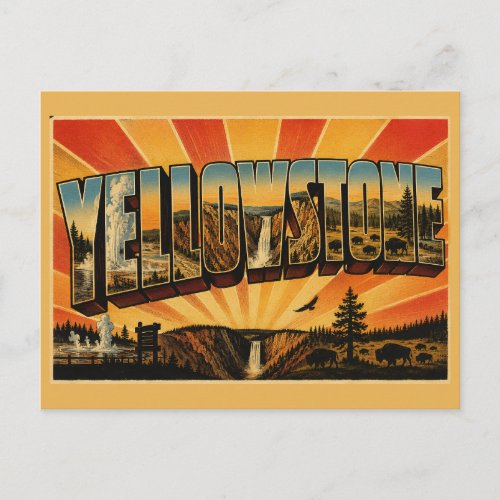
Yellowstone was the world's first national park, established in 1872, and its geysers, canyon, and forest have been postcard subjects ever since. The card filed for Yellowstone National Park gathers the park's signature scenery into one vintage-style scene.
Yosemite, California
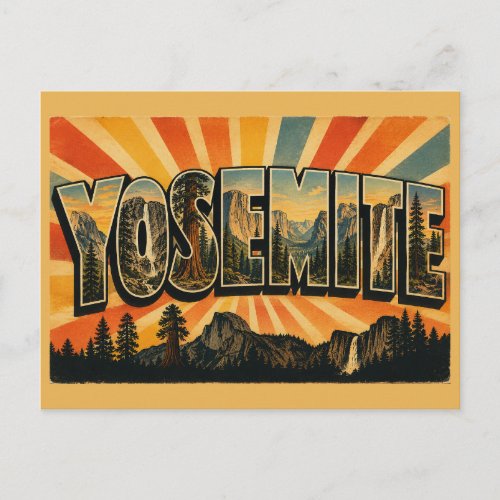
Granite walls, waterfalls, and giant sequoias made Yosemite the park that taught America to photograph landscape. Its atlas card keeps the valley's scale in the flat, poster-like style of old travel art.
Glacier National Park, Montana
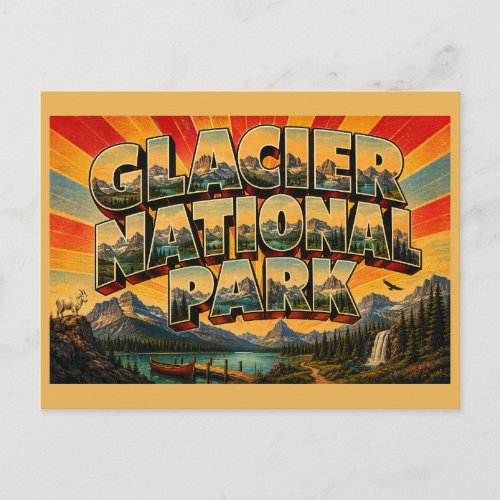
Peaks, lakes, and forests fill Glacier National Park, where the Going-to-the-Sun Road crosses the Continental Divide. The park's card is one of the strongest mountain scenes in the atlas.
Zion, Utah

Zion is the red-rock park most people picture when they think of Utah: a river canyon cut through sandstone, with walls that change colour all day. Its card works in the same warm palette as the old Union Pacific posters.
Arches, Utah
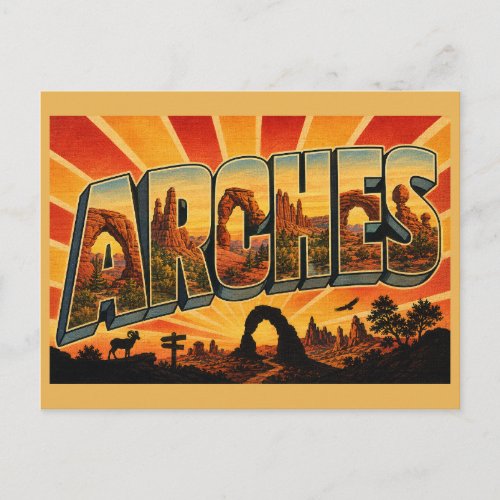
More than 2,000 natural stone arches stand in Arches National Park, and the postcard trade has been photographing and painting them for a century. The atlas card distils the park into sandstone, sky, and desert light.
Grand Canyon, Arizona
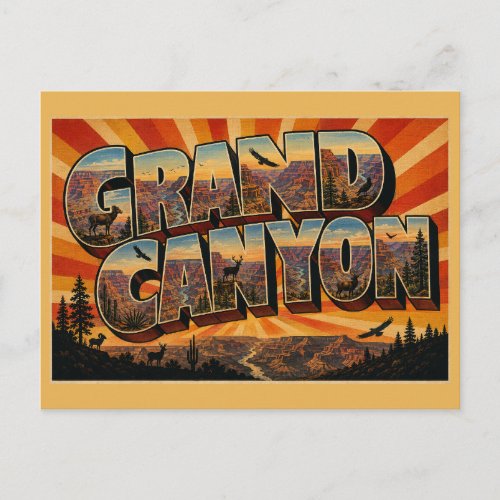
The Grand Canyon was a postcard before it was a park: the Santa Fe Railway sold the view as a souvenir from the moment tourists could reach the rim. Its atlas card keeps the layered canyon and the long horizon.
Great Smoky Mountains, Tennessee and North Carolina
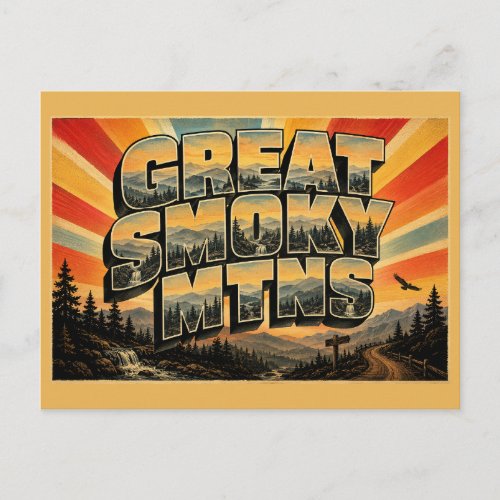
The Great Smoky Mountains carry the blue haze that gives them their name, along the Tennessee–North Carolina line. It is the most visited national park in the United States, and its card shows the old-growth forest rather than a single peak.
Acadia National Park, Maine
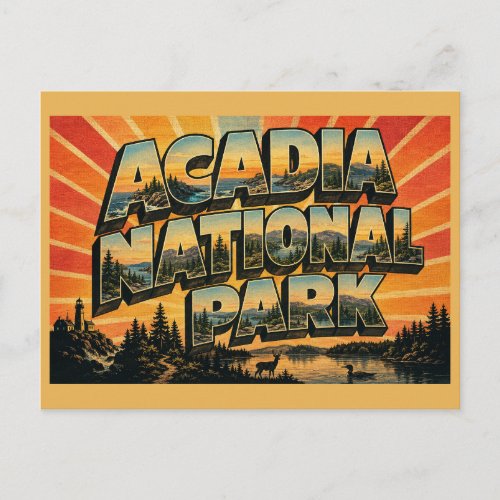
Where the mountains meet the Atlantic, Acadia National Park pairs granite coastline with inland lakes. It was the first national park east of the Mississippi, and its card is the one Maine collectors start with.
Badlands, South Dakota
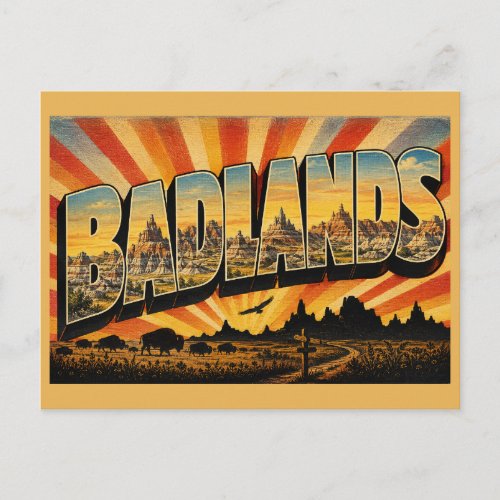
The Badlands are erosion at its most theatrical: buttes, spires, and striped rock rising out of the prairie. The park's card uses that contrast — hard rock, wide grass, enormous sky.
Rocky Mountain, Colorado
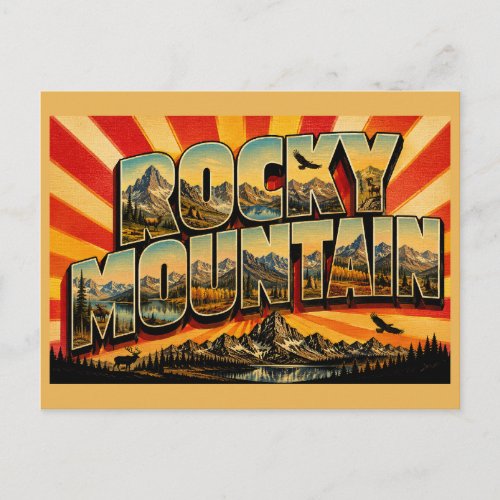
Alpine lakes and high peaks make Rocky Mountain National Park the classic Colorado card. The atlas version keeps the lake, the treeline, and the snow in one frame — the composition the old postcard companies used for a reason.
How many national park postcards does the atlas have?
The atlas files park cards across its routes — from Yellowstone and Yosemite to Great Basin, Saguaro, and Voyageurs. The national park postcards guide covers the wider story, and each state route lists the parks it holds.